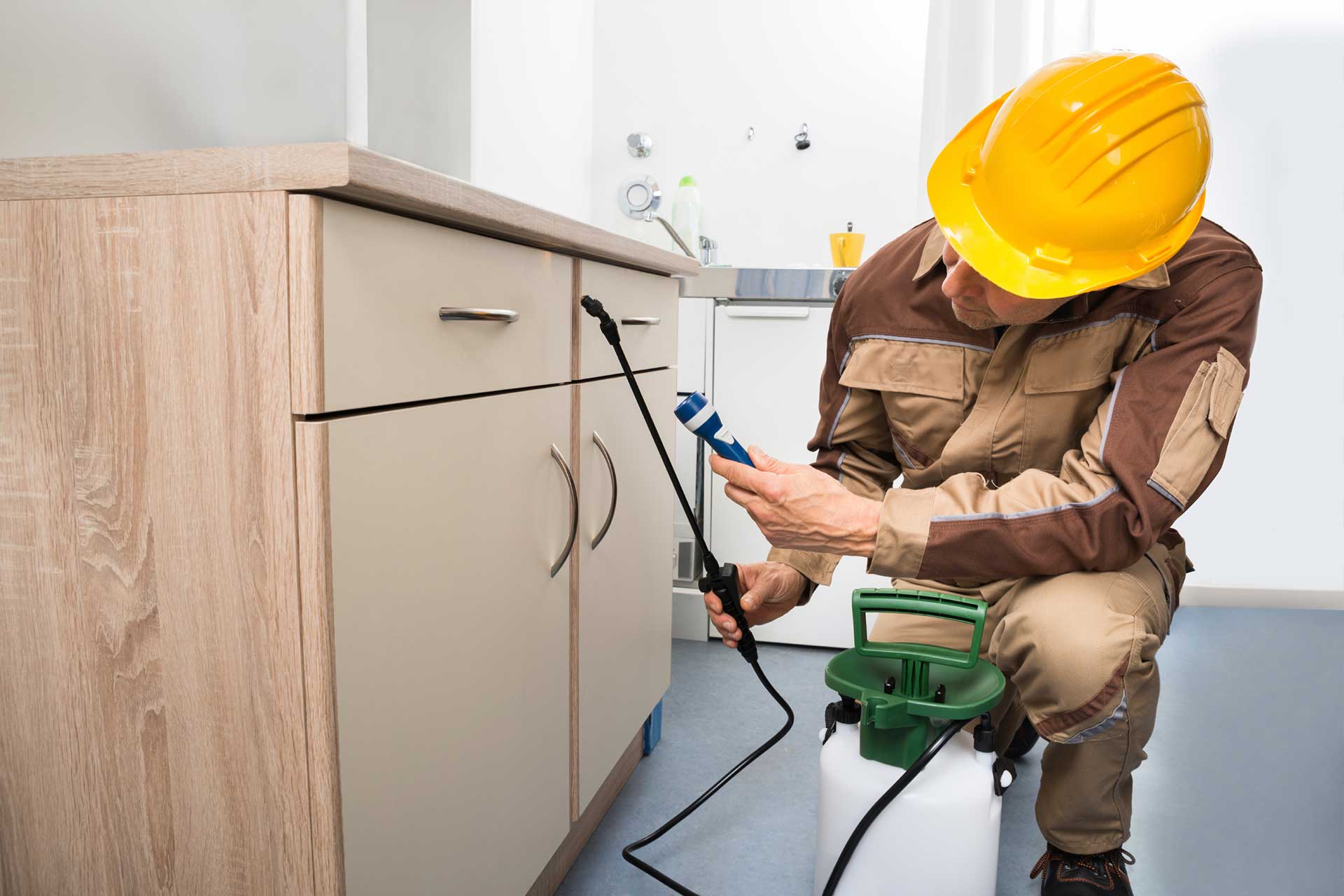
Pest Control: Results-Oriented Solutions to Guard Your Residence and Venture
Primer to Pest Control
Pest Control addresses the supervision or direction of life forms defined as pests – living things that harmfully impact individual's behaviors or surroundings. In New Jersey, where numerous ecosystems join urban-adjacent and metropolitan progress, potent Pest Control is not just a indulgence but a essential for ensuring hygienic dwelling and business conditions. From the far-reaching communities of Monmouth County to the connected neighborhoods of Matawan, pest problems can plague each person, irrespective of how sanitary or adequately preserved their property may be.
The importance of employing efficient Pest Control approaches can't be overstated. For house owners, pests can destroy framework integrity, corrupt food provisions, and present noteworthy health hazards. Commercial entities encounter these same problems, with the further worry of status impairment and possible deficit of customers if invasions are uncovered. Frequent pests in New Jersey incorporate vermin like rats and mice, diverse arthropods such as ants, cockroaches, and bed bugs, and the exceptionally devastating termites that can inaudibly impair a building's base.
The Purpose Pest Control Is Vital
Health Hazards of Pest Control Treatments
Various pests contain and pass on disorders that can afflict humans and pets. Rodents are known transmitters of hantavirus, salmonella, and leptospirosis. Cockroaches can trigger asthma bouts and sensitized sensitivities, chiefly in children. Ticks, plentiful in New Jersey's wooded regions, are recognized for disseminating Lyme disease, while mosquitoes can convey West Nile virus and Eastern Equine Encephalitis. Professional Pest Control assists alleviate these health threats by getting rid of the basis of these conceivable disease spreaders.
Property Damage in Pest Control
The constructional injury caused by pests can be significant and high-priced. Termites by themselves generate over $5 billion in house harm per year around the United States, with New Jersey homes being particularly prone due to the state's climate. Vermin can chew through power wiring, producing fire risks, while their persistent gnawing can destroy weatherproofing, pipes, and wooden basic elements. Even outwardly safe ants can jeopardize lumber structures if permitted unaddressed, chiefly carpenter ants which are prevalent in Monmouth County.
Monetary Ramifications of Pest Control Services
Ignoring pest incursions can result in considerable economic outcomes. What can originate as a minor problem calling for elementary treatment can rapidly escalate into a large trouble calling for wide-ranging treatment. For companies, especially those in the food business or tourism sectors, pest problems can create deficient health reviews, temporary suspensions, and permanent detriment to prestige and shopper belief. Financing in regular Pest Control is not just about immediate comfort—it's a long-term pecuniary protection.
Pest Control: Common Family and Company Pests
Rodents (Rats and Mice)
When it concerns discovering rodent outbreaks in your New Jersey home, alertness is crucial. You might notice excrement near food provisions, in containers, or under sinks. Chew marks on food packaging, timber, and electronic wiring are clear evidence of their attendance. At night, you may catch scrabbling sounds in partitions, ceilings, or below floors as these night-active animals transform into dynamic. If you find homes built from shredded paper, material, or arid plant substance, that's a clear proof rodents have set up themselves comfortable. Slick rub marks across baseboards and dividers emerge as rodents apply the equivalent paths often, while your pets may reveal peculiar actions such as yapping or scratching at areas below equipment or furnishings where rodents camouflage.
Small mammals in New Jersey homes and businesses pose various perils outside simple irritation. They can corrupt food and creation planes with germs present in their urine and stools. Their incessant need to bite can impair items, notably cables, which makes fire threats. In Matawan and adjacent areas, the Norway rat and house mouse are especially problematic, flourishing in both city and suburban locations. Productive Pest Control steps are vital to manage these detrimental invaders.
Creepy Crawlies (Ants, Cockroaches, Bed Bugs)
Arthropod outbreaks reveal themselves in diverse fashions subject to the type. Ant predicaments turn clear when you detect apparent ant tracks directing to food sources, or when you spot tiny collections of dirt or wood shavings formed by carpenter ants. Cockroach infestations often exhibit themselves through dark pellets similar to coffee grounds or black pepper, a distinctive damp scent that permeates contaminated places, and the manifestation of egg coverings in concealed corners. Bed bug troubles materialize as pest control services NJ rust-colored stains on mattresses and furnishings, shed skins near sleeping locations, tiny blood blemishes on sheets, and prickly red elevations on skin generally organized in a sequence or assembly.
Invertebrates embody the most multifarious class of pests in New Jersey. Cockroaches can initiate asthma and sensitivities while circulating many infectious agents. Bed bugs, while not disease vectors, bring about considerable soreness, sleep hindrance, and sentimental trouble. Particular ant breeds, like carpenter ants regular in Monmouth County's sylvan areas, can generate architectural harm similar to termites throughout time. Trained Pest Control agencies can distinguish precise insect kinds and execute directed management approaches that tackle the distinctive actions and weaknesses of each pest.
Termites
Recognizing termite presence promptly requires grasping the delicate indications of their occurrence. You can detect abandoned wings near windows and access points after swarmers have detected a mate and established a new colony. Mud tubes on exterior walls, wood beams, or in crawl areas serve as protected highways for these ruinous pests. Wood that sounds cavernous when patted demonstrates termites have been consuming from within. Entrances and apertures that unexpectedly adhere may reveal distorting from termite destruction, while broken or blistering paint comparable to water damage often conceals termite movement beneath. Spotting frass—termite waste similar to little wood-colored fragments—gives another corroboration of their objectionable attendance.
Termites pose perhaps the most major constructional menace amidst all standard pests. In New Jersey, the Eastern subterranean termite is abundant and remarkably harmful. These insects can endure unsensed for periods while generating considerable devastation to wood framework parts. Homes in Matawan and throughout Monmouth County, notably older properties, are at risk to termite infestations. The standard cost of term pest control.
Pest Control Protection Considerations
Secure Application of Pesticides and Products in Pest Control
As products grow essential in your pest control plan, focusing on protection requires attention to various crucial methods that shield individuals, animals, and the environment. Continuously study and comply with product guidelines exactly, as these legally-binding directions show extensive evaluation and governmental review designed to decrease risks. Utilize the least successful amount of product to achieve elimination while decreasing unneeded product incorporation into your home space. Apply products only in locations designated on the product instructions, preventing unauthorized treatments that may cause surprising hazards or reduce efficacy. Utilize proper safeguarding apparatus as specified by product manufacturers to eliminate personal contact during treatment. Maintain products in their factory containers with directions undamaged to preserve access to safety details and stop misidentification. Record thorough notes of all applications, documenting substances applied, dilution rates, spots serviced, and times of treatment for later use. Ensure adequate curing and air circulation before reentering applied areas, specifically important in New Jersey's weather where moisture can alter curing periods. Evaluate safer alternatives when viable, as progress in pest control have created many lower-toxicity solutions that retain effectiveness while lowering possible dangers.
Shielding Companions and Young ones Throughout Pest Control Applications
Specific steps turn vital when applying pest control measures in households with sensitive household members. Relocate pets throughout application and until surfaces are dry to prevent immediate exposure with moist substances or gases that could produce bad reactions. Cover or take away pet meals, drinking containers, and playthings before service to stop pollution that could lead to accidental eating. Put children's playthings away from service locations, especially things that small kids might insert in their lips. Clean and sanitize meal preparation areas after treatment, even if they weren't immediately applied to, to eliminate any traces that might have settled during application. Maintain young ones apart from serviced areas for the recommended period, prolonging this time for crawling toddlers who have increased immediate interaction with ground and lower spaces. Think about pet-safe and kid-friendly product alternatives when available, as many recent formulations focus on particular pest anatomy while reducing animal poison. Most importantly, notify professional technicians about the existence of companions, young ones, or expecting family members before they formulate treatment plans, allowing them to adjust methods and substance options appropriately.
Legal Rules and Compliance with Pest Control
Pest control in New Jersey works within a official structure intended to defend general safety and the ecosystem while ensuring effective pest management. The New Jersey Department of Environmental Protection supervises pest elimination operations, demanding qualified pest elimination organizations to fulfill specific standards. Companies must hire qualified technicians who have succeeded in government tests showing expertise in pest science, application approaches, and protection standards. These firms must copyright appropriate coverage insurance safeguarding both their specialists and their patrons from potential losses or injuries related to pest management activities. Strict requirements oversee product housing, transport, and discarding to stop natural pollution and improper access. Experts must supply Safety Data Sheets upon demand, recording the properties and hazards of substances utilized in services. Alert standards pertain for certain applications, specifically in multiple-unit dwellings or business areas with many occupants. Complete service records must be preserved, building an inspection record of pest management operations. Also, only chemicals approved for utilization in New Jersey may be legally applied, ensuring that regional environmental situations and environments have been considered in the approval process. For industrial establishments in Matawan and throughout Monmouth County, supplementary regulations may relate depending on the field, particularly for food service, medical, and childcare centers where pest management overlaps with additional public wellness aspects.
Natural Pest Control Options
Combined Pest Management (IPM) Strategy
Integrated Pest Control exemplifies the gold standard in contemporary pest control, concentrating on long-term deterrence through a combination of approaches that minimize environmental effect while maximizing performance. The IPM method initiates with complete assessment and surveillance to pinpoint pest presence exactly, establishing foundation information about varieties occurring and amount levels. This leads to accurate recognition of pest types, guaranteeing treatment work focus on certain actions and exposures rather than implementing general procedures. Specialists set boundary amounts that justify intervention, recognizing that the simple occurrence of a few creatures does not always call for control if populations stay under destructive levels. When intervention grows needed, IPM applies various management strategies in combination, commonly initiating with low-impact methods and increasing only when necessary. Across the procedure, professionals evaluate efficiency and adapt strategies as needed, creating a responsive method adaptive to shifting situations. Most importantly, IPM emphasizes prevention over elimination, addressing structural and environmental elements that support pest numbers rather than only eliminating existing creatures. Many pest control organizations in New Jersey supply IPM-based programs that correspond with the area's push toward safer pest control practices, especially in sensitive locations like educational facilities, health institutions, and food processing operations.
Non-Chemical Management Approaches
Productive pest control often incorporates alternative methods that can address or reduce pest concerns without introducing products into the surroundings. Mechanical shields such as screens, door strips, and caulking prevent pest entry totally, addressing the trouble at its origin. Mechanical methods like traps and blocking equipment remove present organisms while avoiding new entries. Biological controls including helpful insects and organisms add natural opponents that target particular creatures while maintaining useful creatures protected. Cultural approaches modify the conditions to repel insects, such as modifying irrigation routines to minimize dampness that attracts particular bugs. Area adjustment reduces harborage and food options, rendering areas less attractive to unwanted guests. For particular pests like bedbugs, heat processes provide very effective elimination without synthetic leftovers by increasing temperatures beyond the heat death limit for all life periods of the designated pest. Similarly, cold procedures for stored product pests like cereal bugs or pantry pests can eradicate problems in food items without harmful residue. These strategies demonstrate especially useful in New Jersey's diverse environments, where distance to marine systems, preserved ecological areas, and concentrated community zones produces many scenarios where pesticide limitation turns beneficial or necessary.
Eco-Conscious Pest Control Management Options
The pest control business persists to progress toward increasingly eco-conscious practices that retain success while lowering ecological footprint. Natural chemicals derived from natural extracts like chrysanthemum extract, neem, and aromatic extracts deliver precise treatment with reduced persistence in the nature. Organic treatments featuring organisms, organisms, or agents that attack individual pest species provide specificity that conventional general products can't equal. Development inhibitors that block pest procreation by interfering with developmental stages deliver sustained community limitation without direct harmful consequences on adult creatures. Attractant devices that monitor or interfere with pest reproduction help identify when treatment grows necessary and can prevent breeding in specific types. The industry continuously embraces lower-risk products with small ecological effect, changing apart from traditional products with more extensive effects on non-target creatures. Accurate delivery equipment that reduce complete product usage apply services specifically where needed rather than scattering substances over large spaces. Sustainable qualification initiatives for pest treatment businesses set guidelines for ecologically preferable care and supply customers with clear identification of businesses devoted to eco-conscious approaches. In naturally critical zones of New Jersey, including sections of Monmouth County with nearness to water sources, these sustainable strategies are particularly beneficial for safeguarding both human wellness and natural systems while nonetheless delivering successful pest elimination.
Finding a Local Pest Control Service Provider in New Jersey
Capitol Exterminating System
272 NJ-34
Matawan, NJ 07747
(732) 441-1900
Frequently Requested Questions (FAQs) about Pest Control
How frequently should pest control be performed?
For numerous New Jersey properties, seasonal pest control offers adequate safeguarding against recurring pest pressures. This schedule corresponds with the area's different cycles, each creating separate pest difficulties that call for proactive care. Springtime applications commonly tackle appearing ant communities and hibernating pests becoming active. Summertime treatments emphasize on mosquitoes, ticks, and multiple winged creatures that thrive in warmer conditions. Cool season applications arrange homes for rodents and overwintering organisms pursuing protection as temperatures decline. Cold season services sustain defense against indoor creatures while handling mouse and rat issues at its highest. Though, this rate may rise for buildings with certain danger conditions or persistent issues that need additional rigorous control. Properties near forested locations in Monmouth County may benefit from supplementary tick and mosquito services during maximum times. Buildings with history of individual pest issues often call for focused follow-up treatments past the typical every three months frequency. Business establishments, notably dining business establishments in areas like Matawan, frequently need every month care to keep adherence with wellness requirements and eliminate invasions that could injure credibility and commercial processes.
Is professional pest control secure for pets?
When executed correctly, expert pest control can be secure for companions through thoughtful product choosing and application techniques that reduce access. Current targeted treatment methods and safer materials have markedly enhanced protection profiles compared to conventional pest management strategies. Recent treatments frequently utilize mixtures explicitly designed to have limited poison to mammals while remaining successful against target creatures with distinct body systems. Qualified technicians receive education in treatment procedures that put chemicals in spots animals can't access, such as interior gaps, fissures and gaps, or underneath equipment. Nevertheless, companions should be removed throughout service and until all treatments have solidified totally, observing specific rest periods proposed by the chemical producer and specialist. Water tanks should be shielded and oxygen systems shut down during procedure to eliminate infection from aerial matter. Pet objects such as resting places, items, and food bowls should be relocated or enclosed throughout procedure. Talk about any questions with your pest control company, who can advise suitable delay periods according to the individual applications used and adjust approaches for households with especially delicate animals like birds or reptiles that may have separate bodily weaknesses than felines and dogs.
What are the signs of a severe pest invasion?
Beyond seen pests personally, numerous caution signals suggest likely severe problems demanding urgent pest control treatment. Odd scents frequently appear with large invasions – damp, slick scents may indicate mice and rats, while sugary, almond-like aromas sometimes accompany German roach communities. Unknown building damage like sinking floors, rising finish, or falling apart lumber may show termite infestation or wood-boring ant invasions damaging structural parts. Odd disturbances within partitions or roof areas, notably at evening, frequently suggest mouse and rat activity as these nocturnal animals become lively in concealed locations. Plentiful particles appearing as small sawdust close to wood elements may truly be waste or feces from lumber-eating organisms. Some homes have puzzling health troubles like airway troubles or scratching that disappear when gone from residence, potentially showing pest problems impacting indoor air standard. In New Jersey properties, focused care should be paid to cellar and crawlspace locations where moisture troubles can maintain pest communities, especially in mature properties throughout Monmouth County where foundation cracks and failing cement create various entry places. Finding numerous lifeless bugs of the similar variety shows a greater community nearby, while oil signs beside trim suggest developed rodent routes with regular traffic.
Can I prevent organisms without pest control substances?
Yes, numerous organisms can be stopped through proper sanitation, exclusion, and habitat adjustment without resorting to pesticide methods. The base of natural pest control commences with detailed prevention efforts – closing cracks, openings, and openings that allow insects to enter properties in the beginning location. Putting in door strips, restoring deteriorated screens, and filling mechanical penetrations gets rid of typical access points. Getting rid of nutrition options through suitable meal keeping in sealed packages, prompt removal of accidents and bits, and consistent waste elimination significantly lowers lures that bring insects into homes. Decreasing water by repairing dripping pipes, enhancing air movement in damp zones, and dealing with drainage troubles gets rid of the fluid supplies various creatures demand. Maintaining a distance area near buildings by trimming foliage, eliminating organic litter, and storing wood raised and separate from properties lowers harborage areas and access points. Applying physical obstacles like copper material or steel stuffing to seal wider openings supplies permanent barrier protection for small mammals and rodents. Consistent cleaning that contains suction cleaning openings and gaps eliminates bug eggs and nutrition particles that encourage pest breeding. For present infestations, nevertheless, some type of control material may be required to solve developed concerns, though multiple minimal-impact alternatives are offered containing natural silica earth, boric compound, and pest-killing detergents that provide lowered danger against traditional products.
What should I anticipate while having qualified pest control service?
A specialist pest control service usually commences with a comprehensive inspection to pinpoint pest kinds, invasion places, and favorable environments adding to the issue. The specialist should invest time inspecting both inside and outside locations, devoting special focus to food preparation areas, bathing facilities, cellars, and edge bases where pest movement regularly accumulates. After this evaluation, the professional should explain their findings in completeness and advise a application strategy adapted to your particular circumstances, talking about both the specific creatures and the methods proposed for treating them. You may receive readiness guidelines before treatment, potentially including repositioning furniture, clearing specific zones, or securing companions. In the course of the application, the expert will employ correct materials to focused spaces depending on the pest species identified, centering on openings, crevices, and pest hiding locations rather than scattering procedures over entire regions. They may set up surveillance devices like pest devices or bait stations that help observe development and supply ongoing defense. After ending applications, a qualified person should explain any after-service safety measures such as air movement standards, re-entry intervals, or areas to wash. Before departing, they should schedule subsequent appointments if required for notably difficult organisms like sleeping pests or German cockroaches that commonly need various applications for entire eradication. Across this method, technicians should welcome inquiries and offer clear details about the substances and methods employed, displaying their training and commitment to both efficiency and security.
Effective pest control is an crucial element of keeping healthy, secure dwelling and business environments in New Jersey. From the moist hot months that produce mosquitos and parasites to the colder months when rodents seek protection inside, pest problems remain a annual issue for homeowners and enterprises in Monmouth County and Matawan. By knowing typical pests, employing proactive measures, and recognizing when to look for expert aid, home managers can defend their assets and the wellbeing of tenants.
Using a preventive approach to pest control is always greater efficient and affordable than addressing to existing infestations. Frequent assessments, suitable upkeep, and addressing little problems before they grow can eliminate the substantial costs and interruptions related with significant pest problems. When professional help turns necessary, selecting a reliable, certified pest control provider who utilizes unified pest treatment approaches delivers productive achievements with small ecological footprint.